
“…Despite the mayhem that followed, Bruno found that he was still holding Shmuel’s hand in his own and nothing in the world would have persuaded him to let go” (Boyne). The Boy in the Striped Pajamas was publicized in New York City in 2006. The author of the book is John Boyne, a contemporary Irish novelist who writes novels for adults and children. One of his most famous works is The Boy in the Striped Pajamas, which established Boyne’s position as a major children’s writer. The Boy in the Striped Pajamas is a fictional text about a boy named Bruno who quickly learned that his family was going to have to leave his hometown, due to his father’s promotion in the German Army. Once he arrives to his new home he discovers that there are no children to play with and all he can do is go on adventures alone. From his bedroom window he spots a fence with people wearing “pajamas” behind it. He decides he needs to discover this new place and meets a boy his age named Shmuel. Although their lives are very different, they become the best of friends, but their relationship has shattering consequences. The Boy in the Striped Pajamas was a delighting read that I enjoyed because of the different ideology of the characters, the intriguing plot, and the theme of innocence throughout the text.
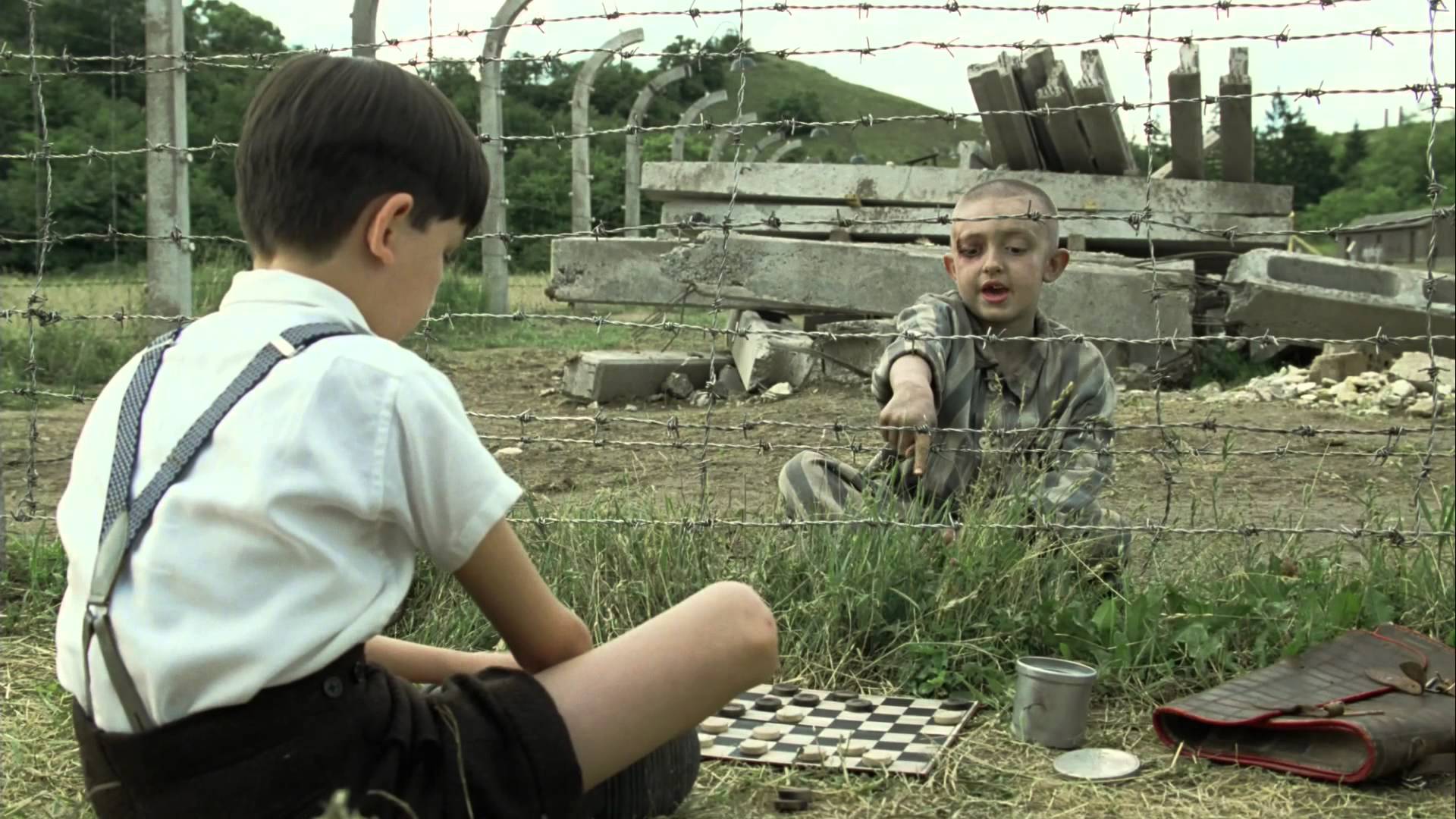
To begin with, the drastic differences in ideology of each of the characters creates a perplexing view a person might have on the characters. By making each character have a distinguishable personality from the others it also makes it easier to relate to certain characters. For example, the main character Bruno is an adventurous little boy who does not understand what is going on in Nazi Germany at the time, therefore he makes a drastic mistake when he does not understand the concept of why Germany is at war. The text states “Shmuel reached down and lifted the base of the fence, but it only lifted to a certain height and Bruno had no choice but to roll under it, getting his striped pajamas completely covered in mud as he did so.” (Boyne, p.206) This shows that Bruno is adventurous and has a big heart for going on the other side of the fence to help his new found friend find his father. I can relate best with Bruno because he does not see Shmuel as a different person just because he is Jewish. A character with the complete opposite personality of Bruno is his father. The Commandant is a strict person with no respect for the Jewish race. He will do anything in his power to please the Fuhrer. The text states, “This is my work, important work. Important to our country. Important to the Fury.” (Boyne, p. 56) This shows that his father typically puts work before family and sticks to strict orders. If I were to change one thing about the characters I would have given the father more caring qualities.
Furthermore, the complex and intriguing plot creates an amazing story line for the readers to follow. At the beginning of the book, Bruno and his sister Gretel receive news that their father has been promoted in the German Army. Their maid Maria was packing all of Bruno’s clothes and toys and Bruno was not fond of the thought of moving. He does not want to leave his three best friends or the city of Berlin. A party is thrown for the Commandant and Bruno’s grandparents have very different views on their son’s promotion. His mother was furious that her son accepted the offer, but his father thought it was a great honor. After arriving at their new home Bruno was beyond bored. He did not having any friends to play with and his sister Gretel was a “hopeless case” (Boyne, p. 129) One day Bruno decided he was going to create a tire swing for entertainment. One of his father’s helpers Lieutenant Kotler, ordered Pavel, who Bruno believed was a waiter for his family, to fetch a tire and give it to Bruno. After the swing is built and accident occurs and Pavel help clean and wrap Bruno’s knee. Bruno’s mother returns from her errands and is informed by Bruno that Pavel helped him after his accident and she thanked Pavel, but she told him that she would take the credit for it and Bruno thought this was quite selfish of his mother. One evening at dinner Pavel was pouring wine and accidentally broke the bottle, resulting in Lieutenant Kotler beating Pavel in the kitchen. From his bedroom window Bruno can see a fence with a large amount of people behind it and they are all wearing striped pajamas. This makes Bruno want to go on an adventure even though his mother told him not to go near the fence. By this time Gretel has become heavily involved in politics and the importance of the German Army and sees her brother’s urges for adventures as extremely childish. Bruno is desperate for adventure and ends up going to the fence and meeting a young boy. Bruno begins going every day to socialize with his new friend Shmuel. It turns out they are the same age and even have the same birthday. This happened for around a year before Bruno’s mother decided that it was best if she, Bruno, and Gretel moved back to Berlin. Bruno shared this information with Shmuel and they came up with an idea to sneak Bruno across the fence before he had to leave. Shmuel brought Bruno striped pajamas and they began to search for Shmuel’s father for one last adventure before Bruno had to leave. This is when everyone in the camp was gathered and taken to a building to be executed. This was the last Bruno was ever heard of. His sister and mother then returned to Berlin and his father became even stricter. Bruno’s clothes were eventually found where he changed and his father pieced together what had happened. This devastates the Commandant and he is forever changed. This was not the ending I had expected and I found Bruno’s death as a surprise.
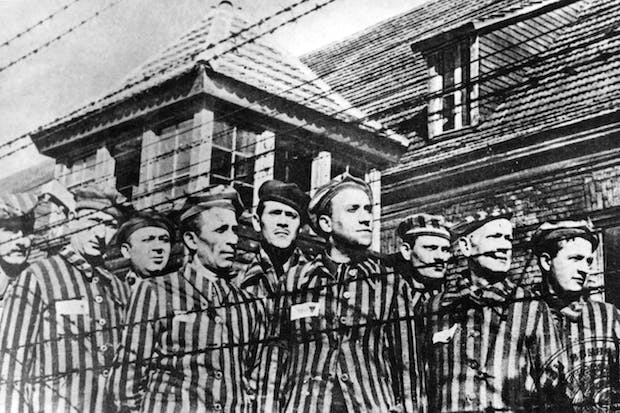
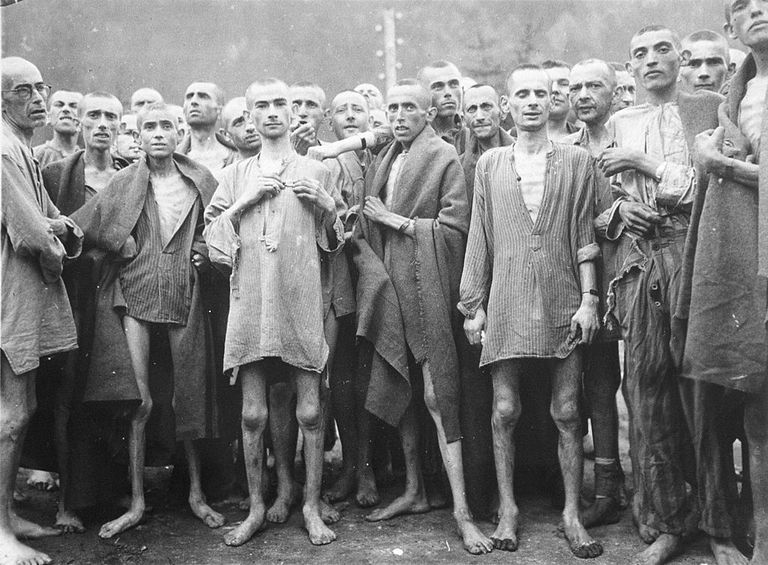
Lastly, the compelling theme of innocence can be found throughout the text. Bruno is completely oblivious as to what is going on in history during this time. He does not understand why Shmuel is behind the fence and therefore does not stigmatize him. Bruno is over protected by his mother who does not want her child to face the reality of what his father does for a living, and that the Holocaust is taking place in their backyard. Throughout the text there are many ways that Bruno’s innocence is shown. He describes where he lives as “Out-With” (Boyne, P. 25), which is actually Auschwitz and he does not understand why the people on the other side of the fence wear “striped pajamas”. For example, he does not understand what the Jewish race is going through at this time. The text states, “I came home one day and mama said we couldn’t live in our house anymore– That happened to me too! shouted Bruno.” (Boyne, p. 127/128) This proves he is not aware as to why Shmuel and the other people are being put into an internment camp, and shows a childlike innocence Bruno has.
In conclusion, the Boy in the Striped Pajamas was a delighting read that I enjoyed because of the different ideology of the characters, the intriguing plot, and the theme of innocence throughout the text. People interested in history or WWII would relate best to this book. It’s character’s show how people felt at this time and the story line makes it easy to relate to how people dealt with the Holocaust. I strongly suggest this book to people who enjoy reading historical texts. Readers who are not fond of tragic endings should not read this book. It is very realistic as to what is going on during this time period and some parts of the text explain the loss of certain characters. I believe The Boy in the Striped Pajamas will be a successful book. A movie has already been made and I hope a sequel could be written in the future describing how the characters moved on with their lives after Bruno’s death, and after WWII.

 Bella's Book Review